
A Superdevice for Mental Health
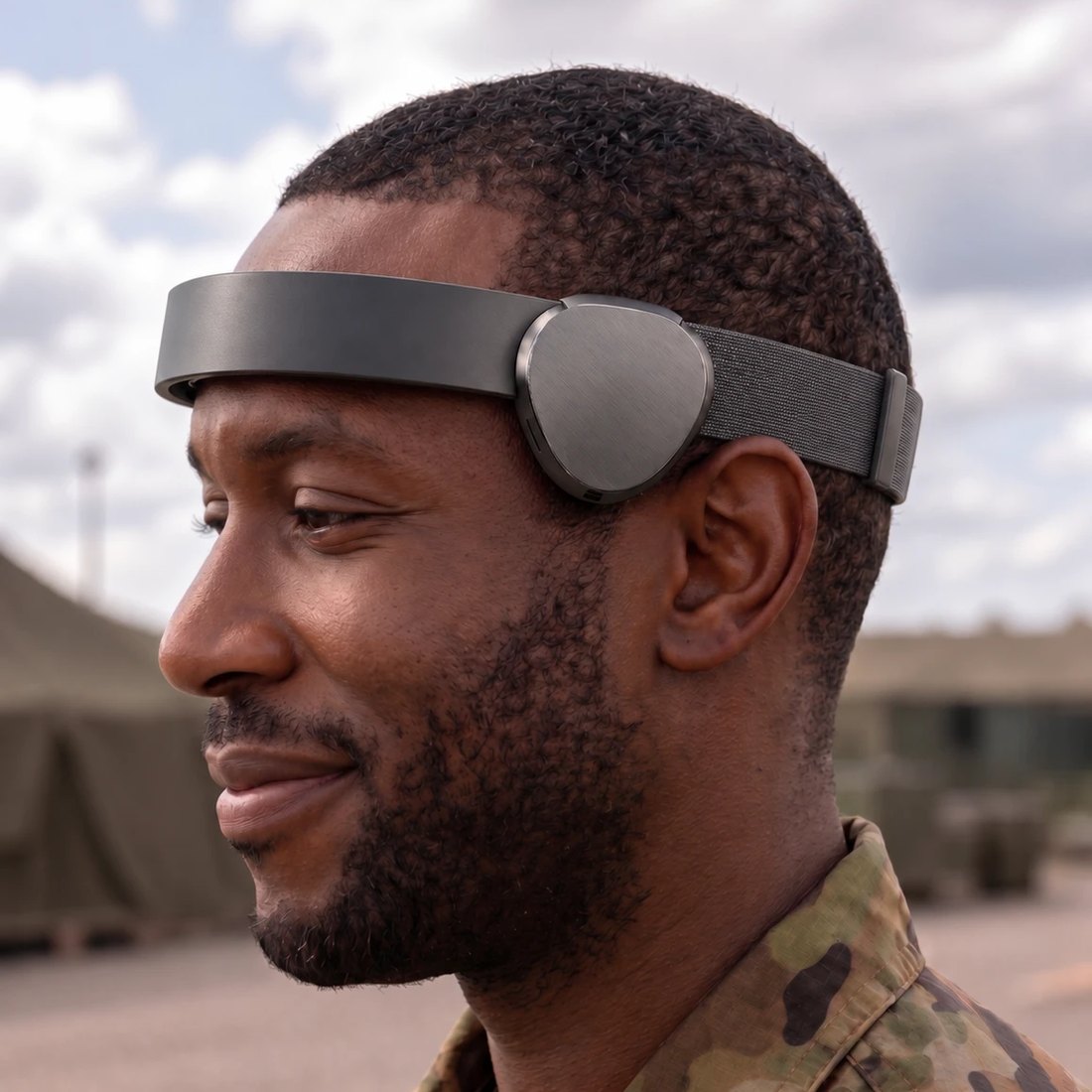
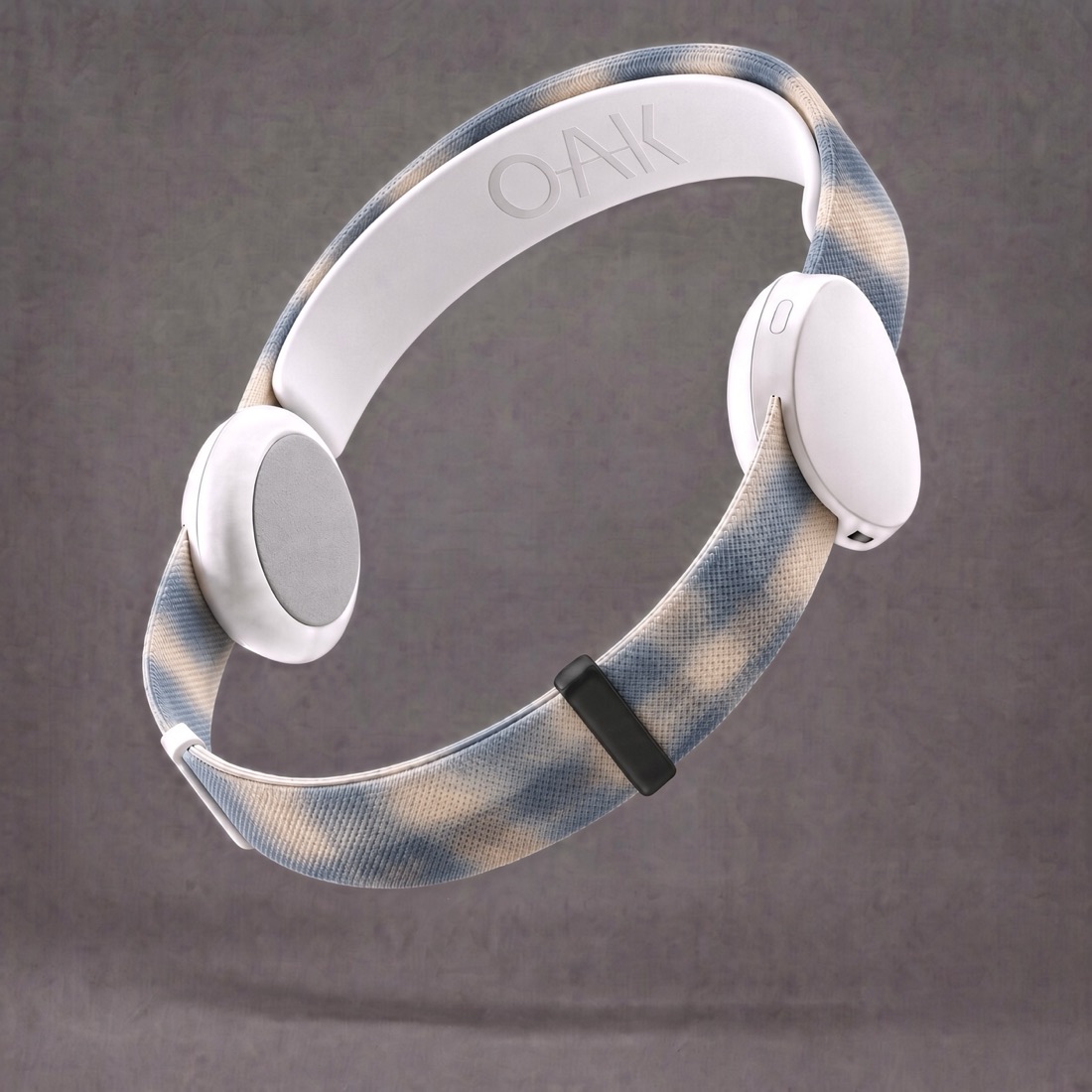
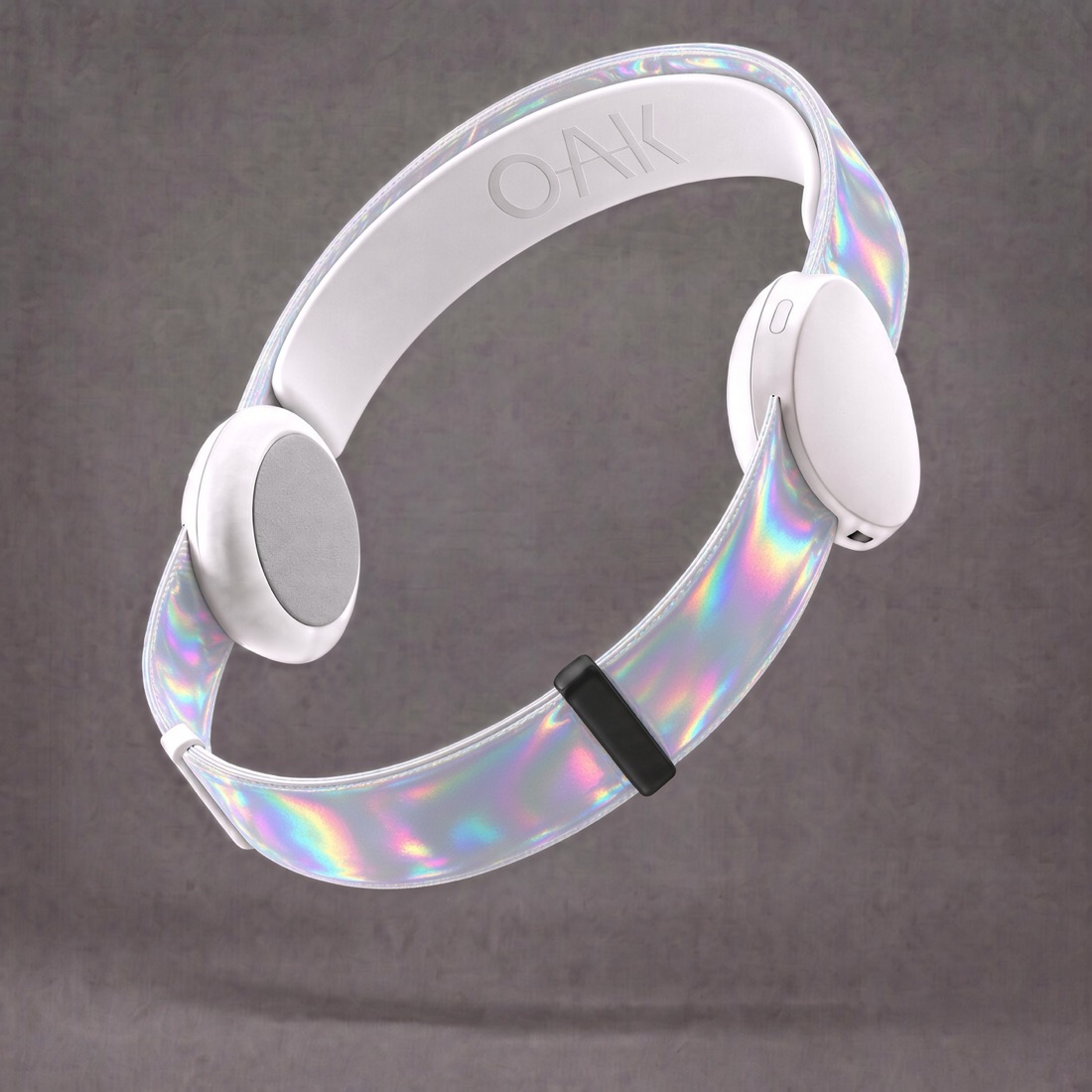
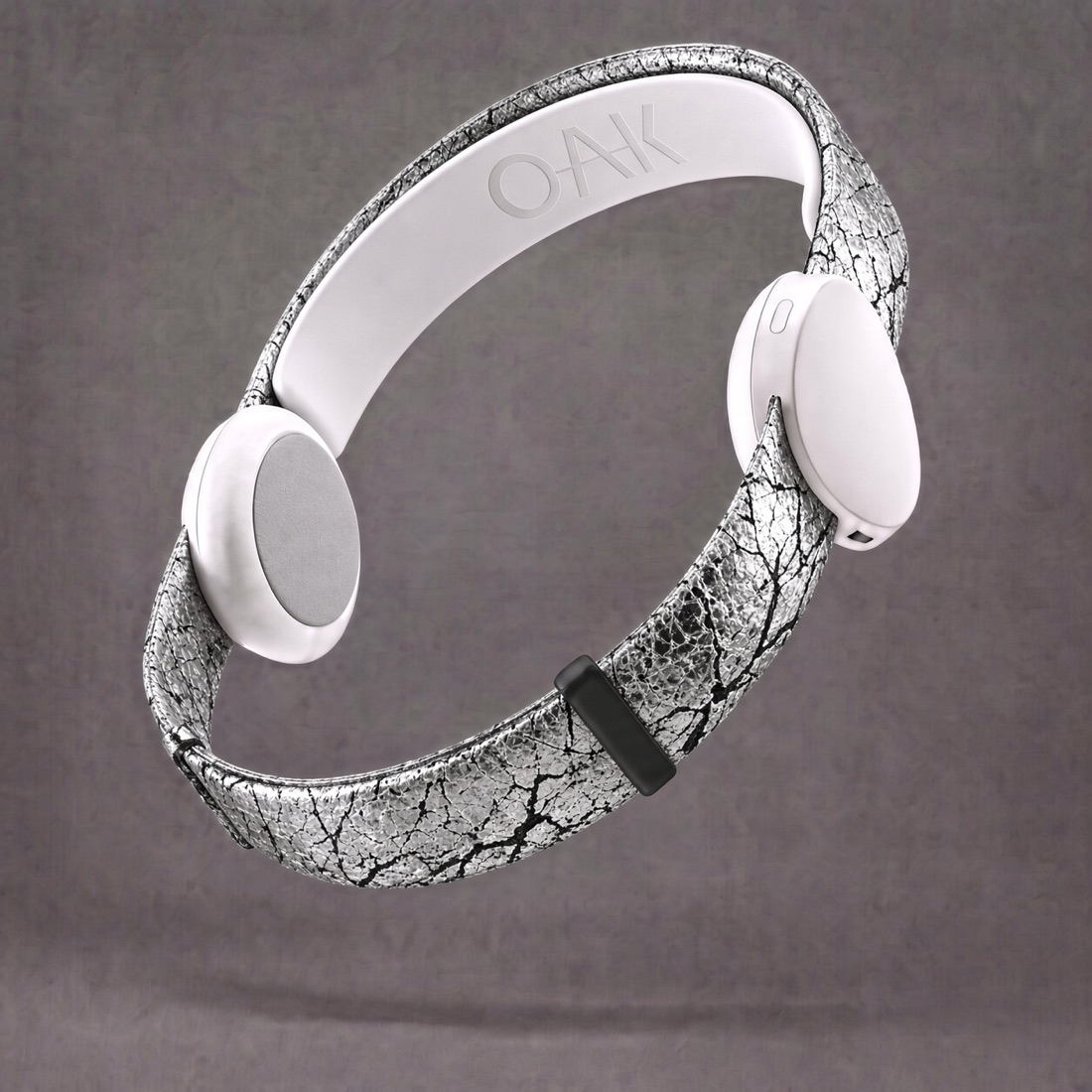
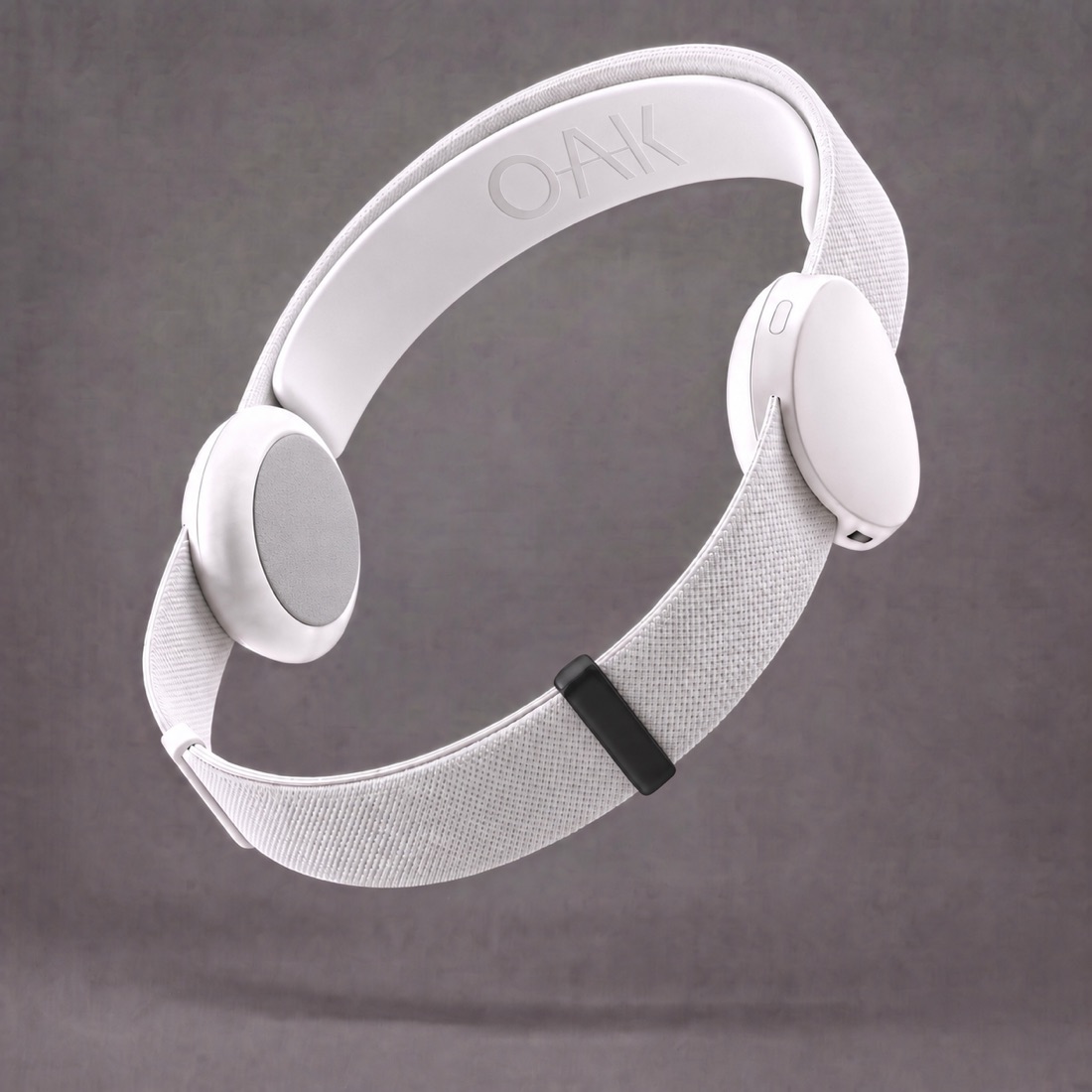
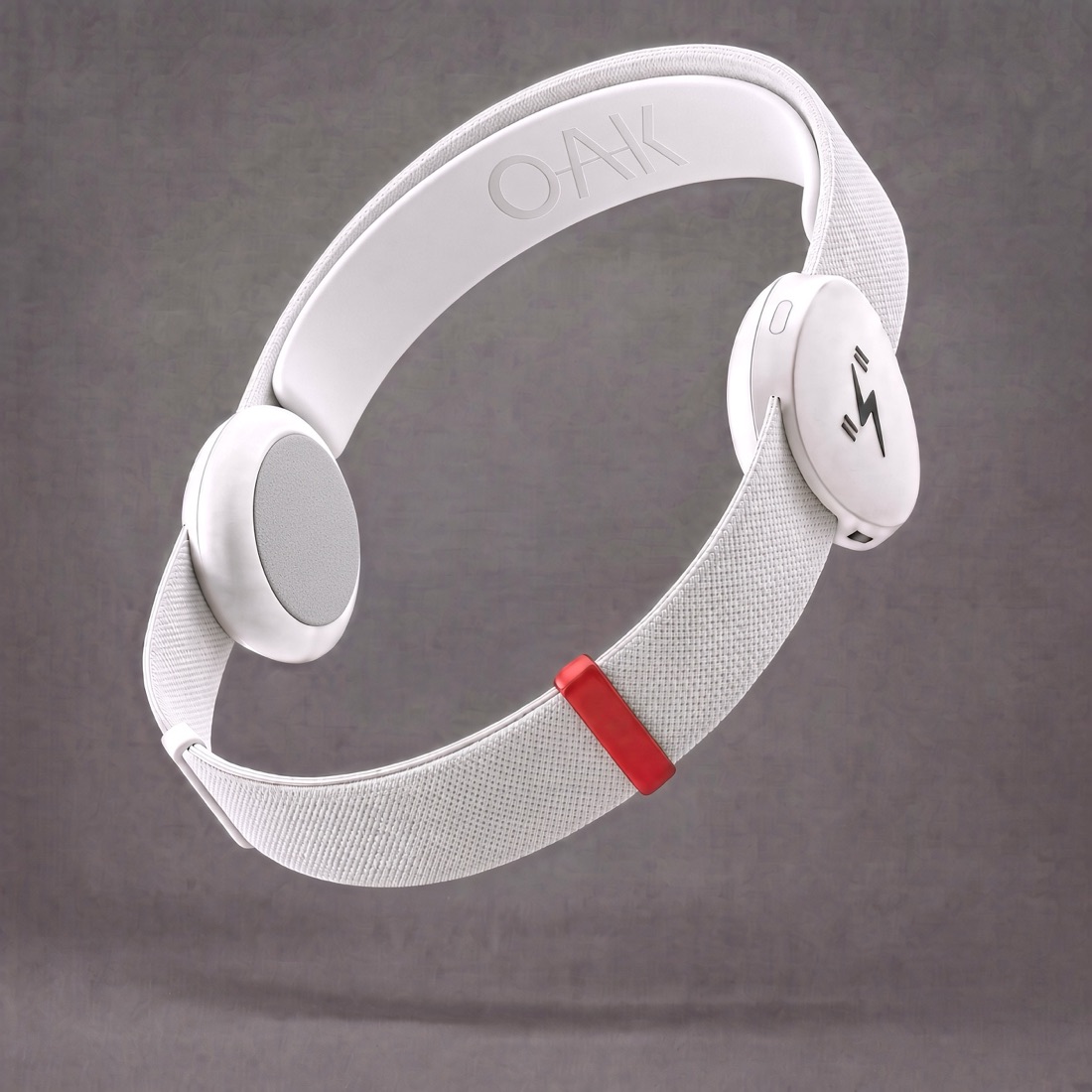
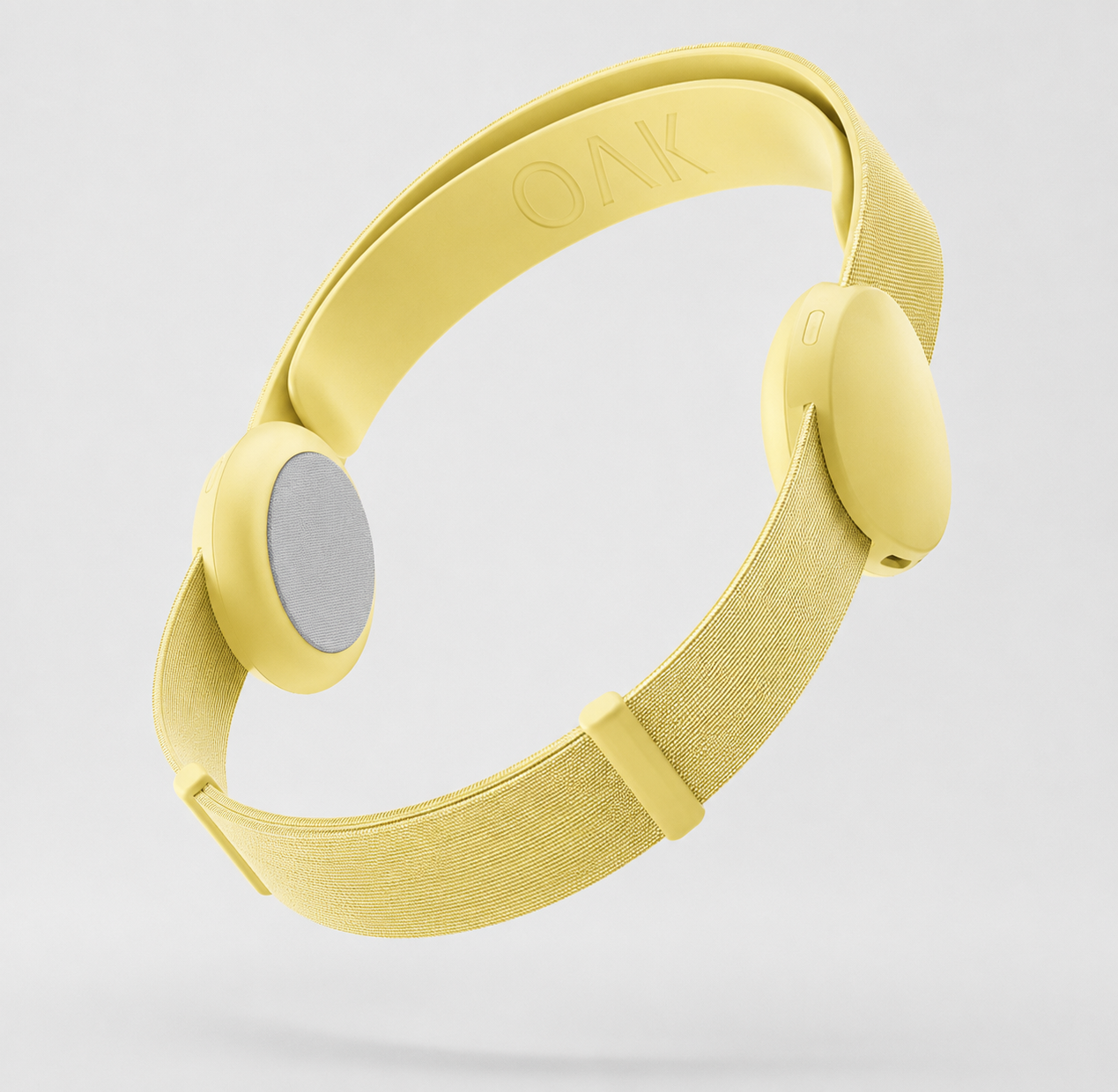
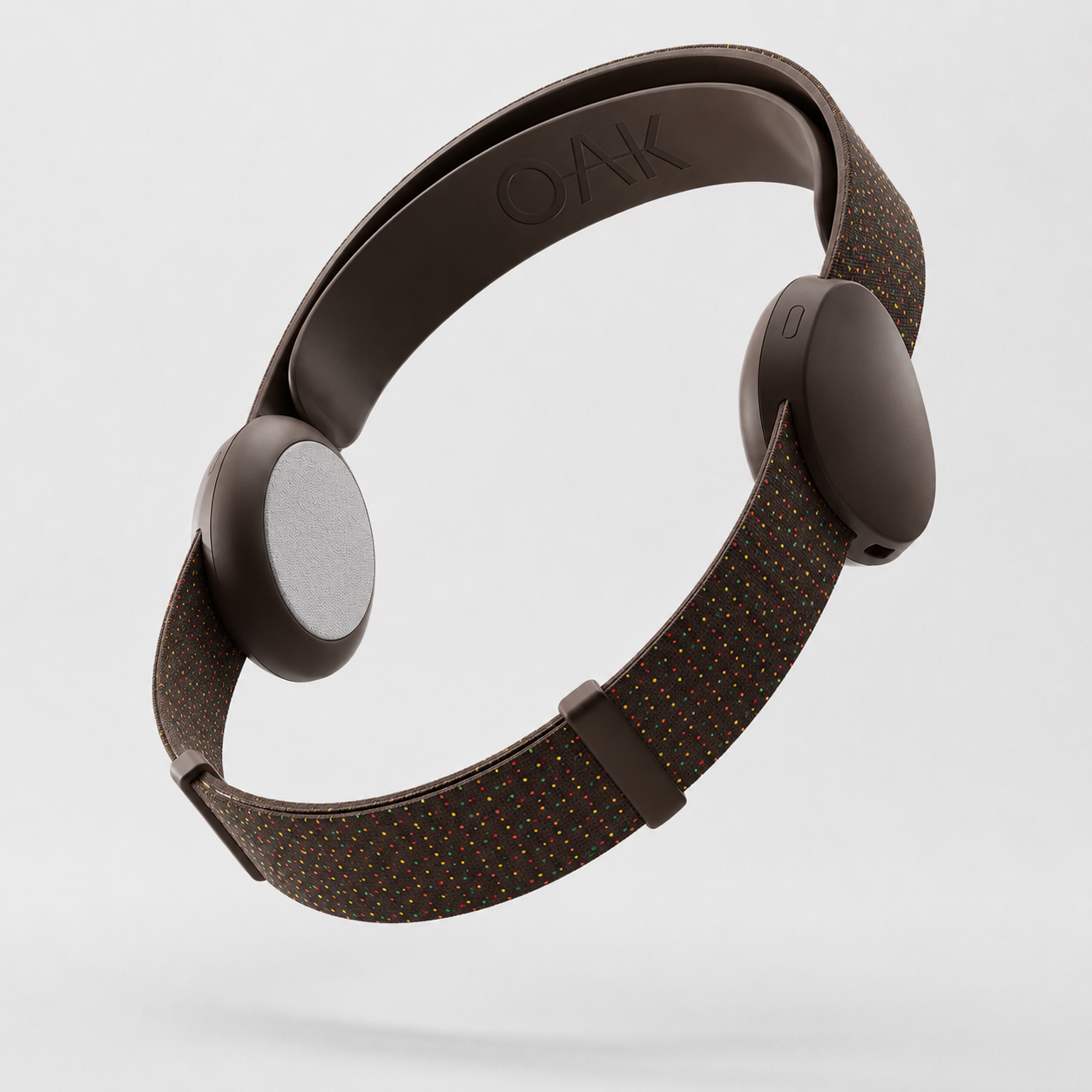
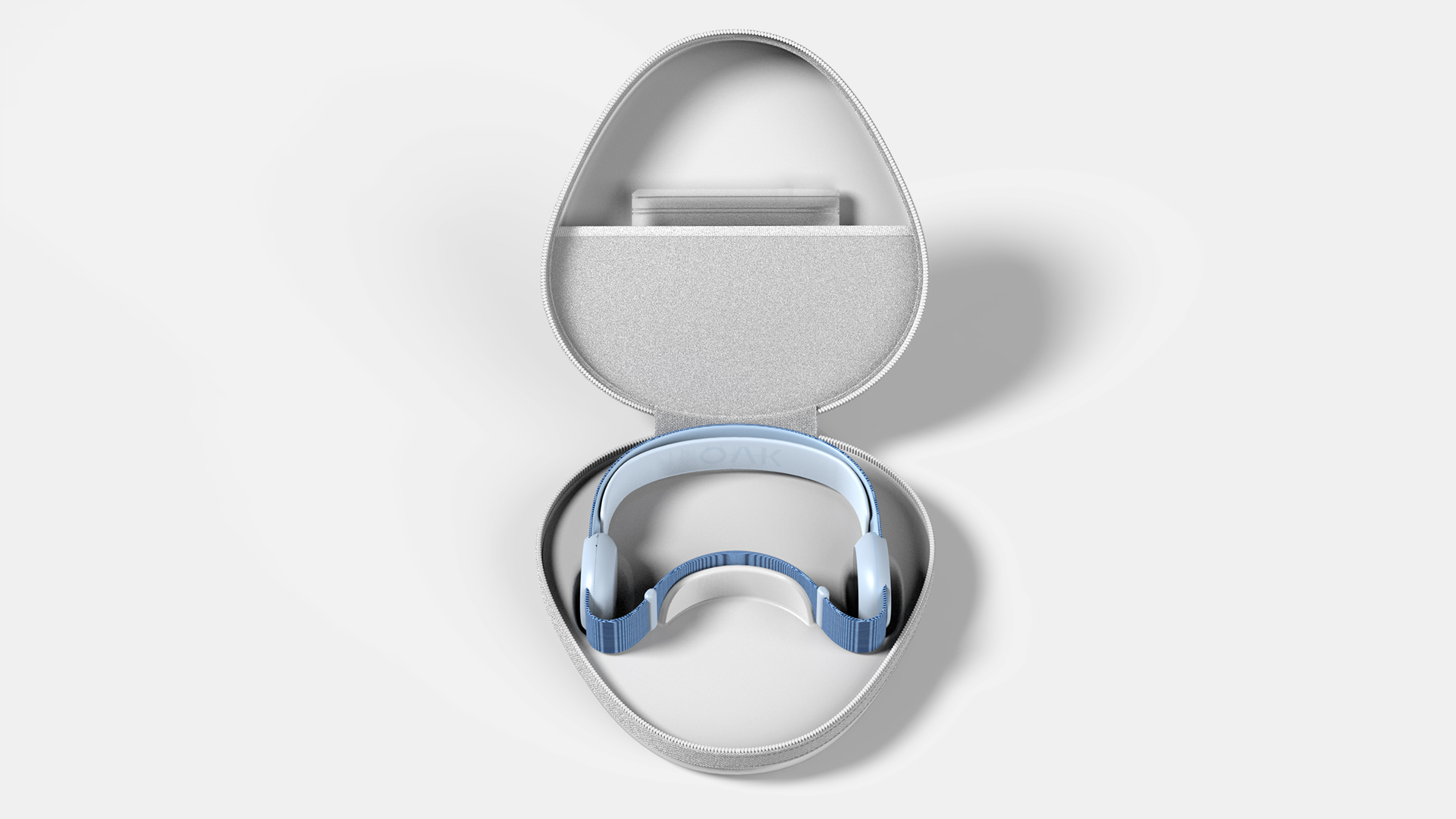
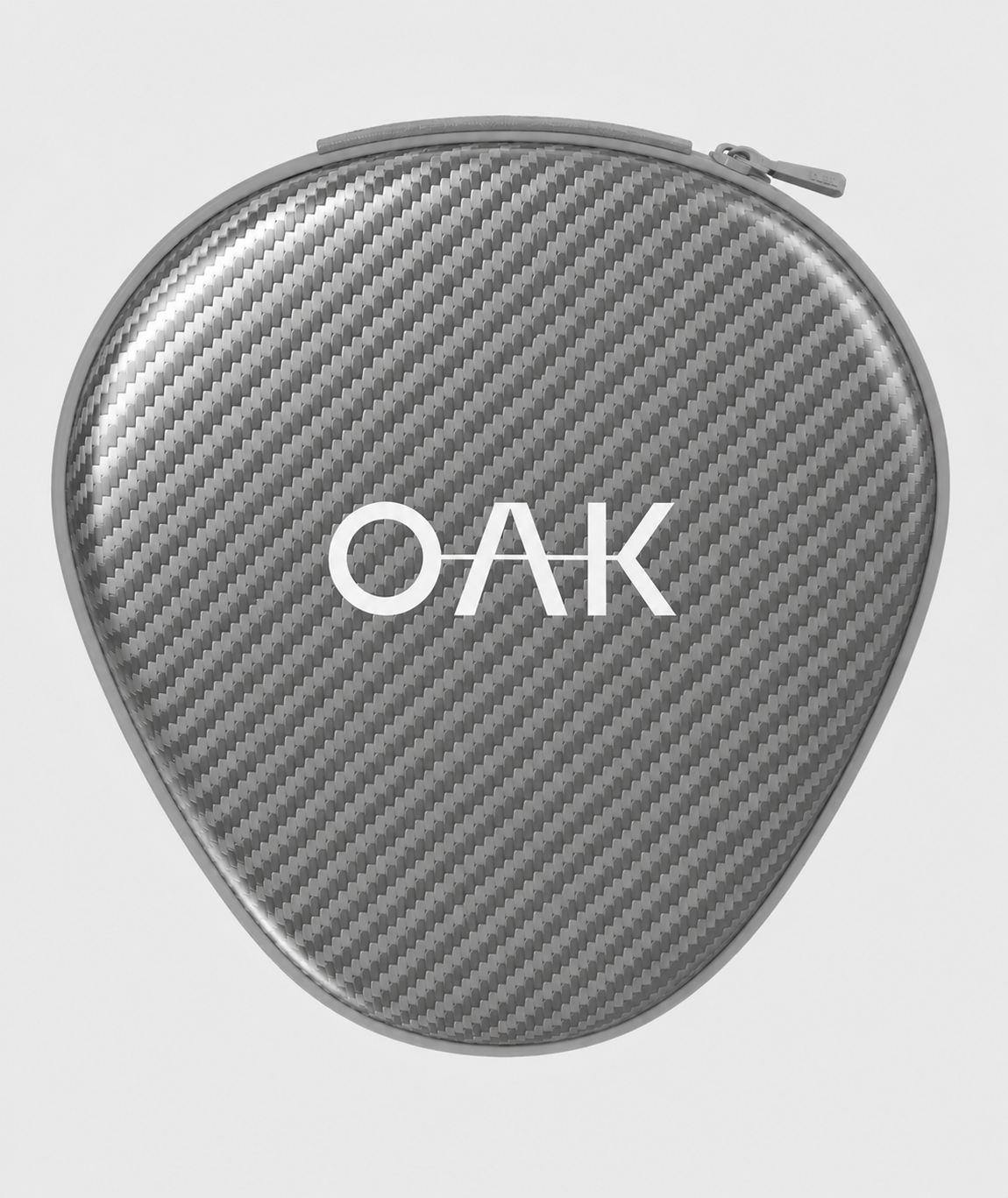
The result of 17 years of clinical research and product development, millions of hours of real-world testing, and a groundbreaking collaboration with the team behind Beats and Nest, OAK is the first prescription brain stimulation device designed for population-scale. We anticipate initial FDA clearance for anxiety treatment in the next few months and are advancing towards insomnia, depression, and human performance indications in 2027. Our tech is currently being pilot tested in the U.S. Department of Veterans Affairs.
Enabling Brain Activity Data at Population-Scale
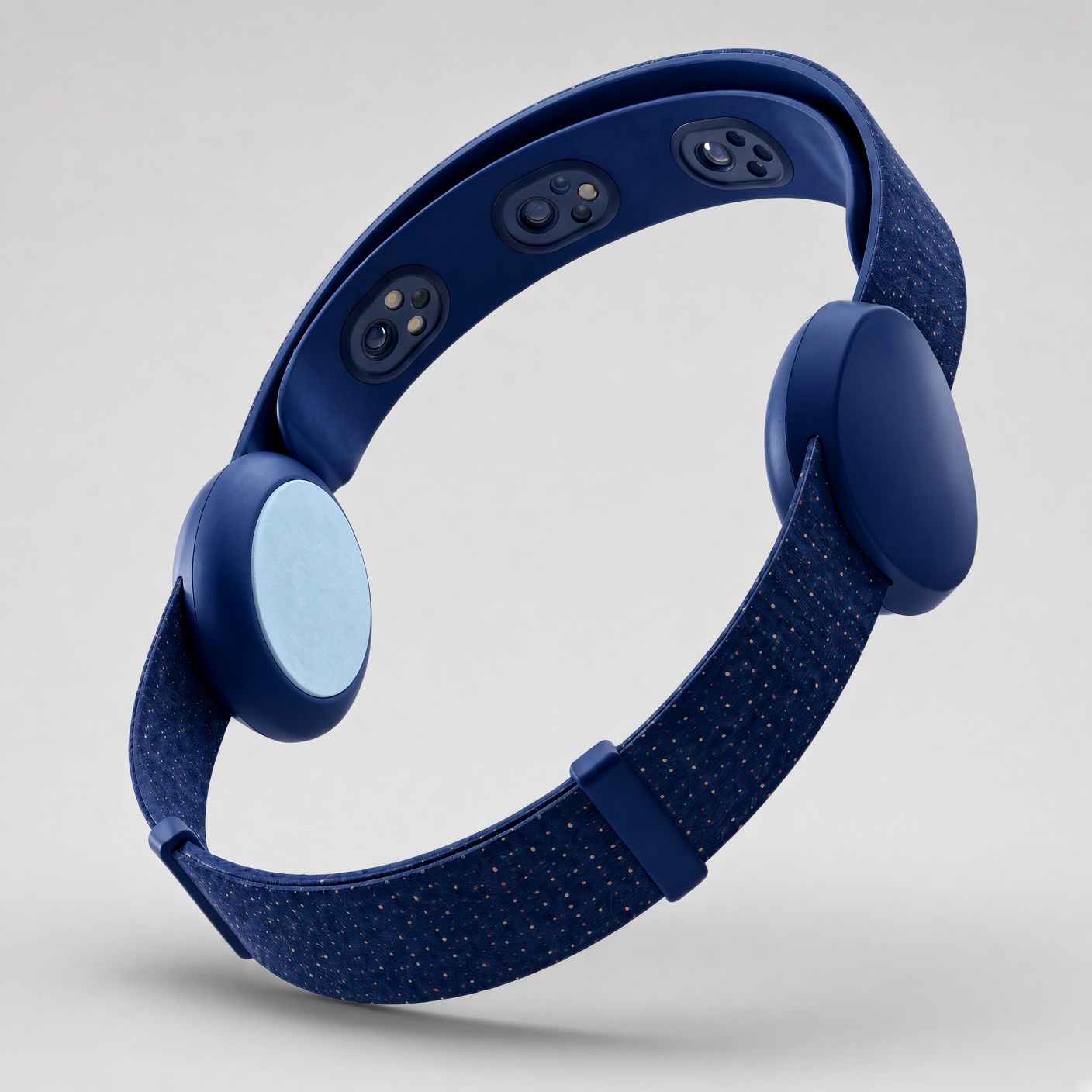
Subsequent generations of OAK will integrate brain activity monitoring, leveraging advances in AI-powered software and sensor engineering. Our thesis: brain data at scale requires wearable technology that millions of people find essential in the absence of sensors. This data will benefit all stakeholders across healthcare while enabling frontier AI models to unlock the secrets behind the human brain’s phenomenal capabilities.
Join OAK Waiting List
Sign up for user testing and early access to purchase OAK before the first batch sells out. A prescription will be required in the US and the purchase price is TBD. Prototype user testing expected in 2027.
By submitting your email address and/or mobile number, you confirm that you are at least 18 years old and agree to the Fisher Wallace Privacy Policy. If you provide a mobile number, you agree to receive recurring automated marketing text messages from Fisher Wallace at that number. Consent is not a condition of purchase. Message frequency varies. Message and data rates may apply. Reply STOP to opt out or HELP for help.
Completed Clinical Research
A single device, validated to treat three of the world's most common health conditions.
Conducted in partnership with the Seattle Police Department. Rapid, durable efficacy with no serious adverse events. Submitted to the FDA for clearance in 2026.
Rapid efficacy beginning in Week 1 with no serious adverse events. Preparing for FDA approval submission.
Active-treatment produced 42 more minutes of sleep (TST) per night than placebo.
Additional Completed Studies
Bipolar II Depression, PTSD, Parkinson’s, Substance Use Disorder
Optimizing Brain Function
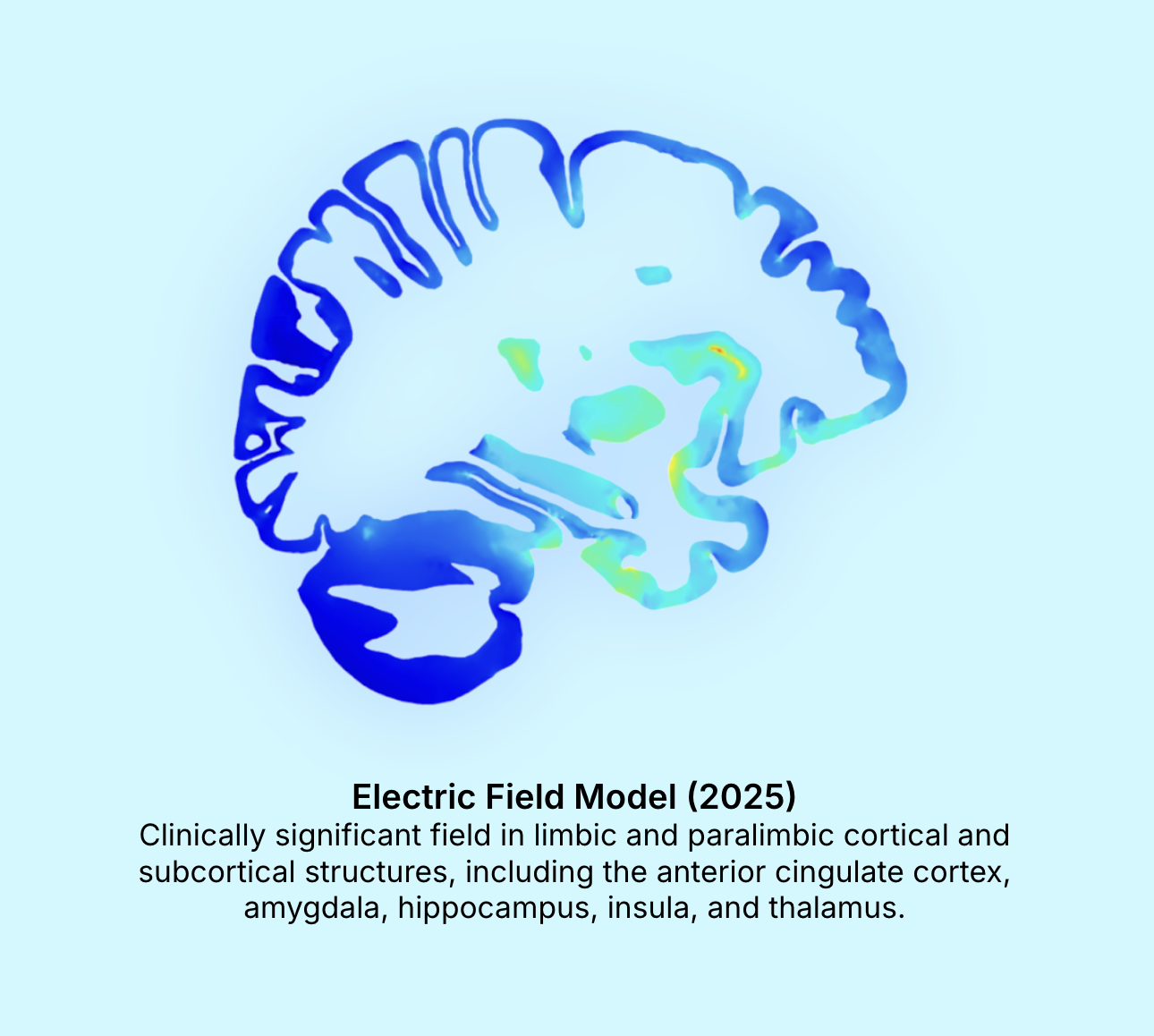
In 2025, researchers at Harvard Medical School and Massachusetts General Hospital modeled the strength of our device's neurostimulation in the brain, demonstrating that it significantly engages structures that govern mood, sleep, autonomic function, and cognitive resilience. Clinical studies enrolling more than 1,500 participants in total demonstrate safety, comfort, and rapid effectiveness in treating anxiety, depression, and insomnia, as well as bipolar II depression and symptoms of Parkinson's.
Our recently submitted FDA clearance application for the treatment of anxiety includes a real-world study of 164 first responders, conducted in collaboration with the Seattle Police Department, Washington State University, and other first responder organizations. The study showed rapid anxiety symptom reduction that continued to improve over the eight-week study period.
We collaborated with the dream team behind Beats, Nest, and HoloLens to turn medtech into culture:

Eric Fields
Industrial Designer
Red Dot Award (×2) · Nest Thermostat · Beats Pill
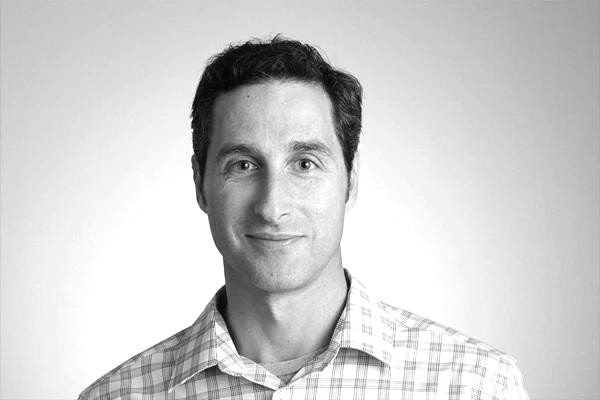
Chris Fruhauf
Lead Engineer
Beats · HoloLens
Proof-of-Concept
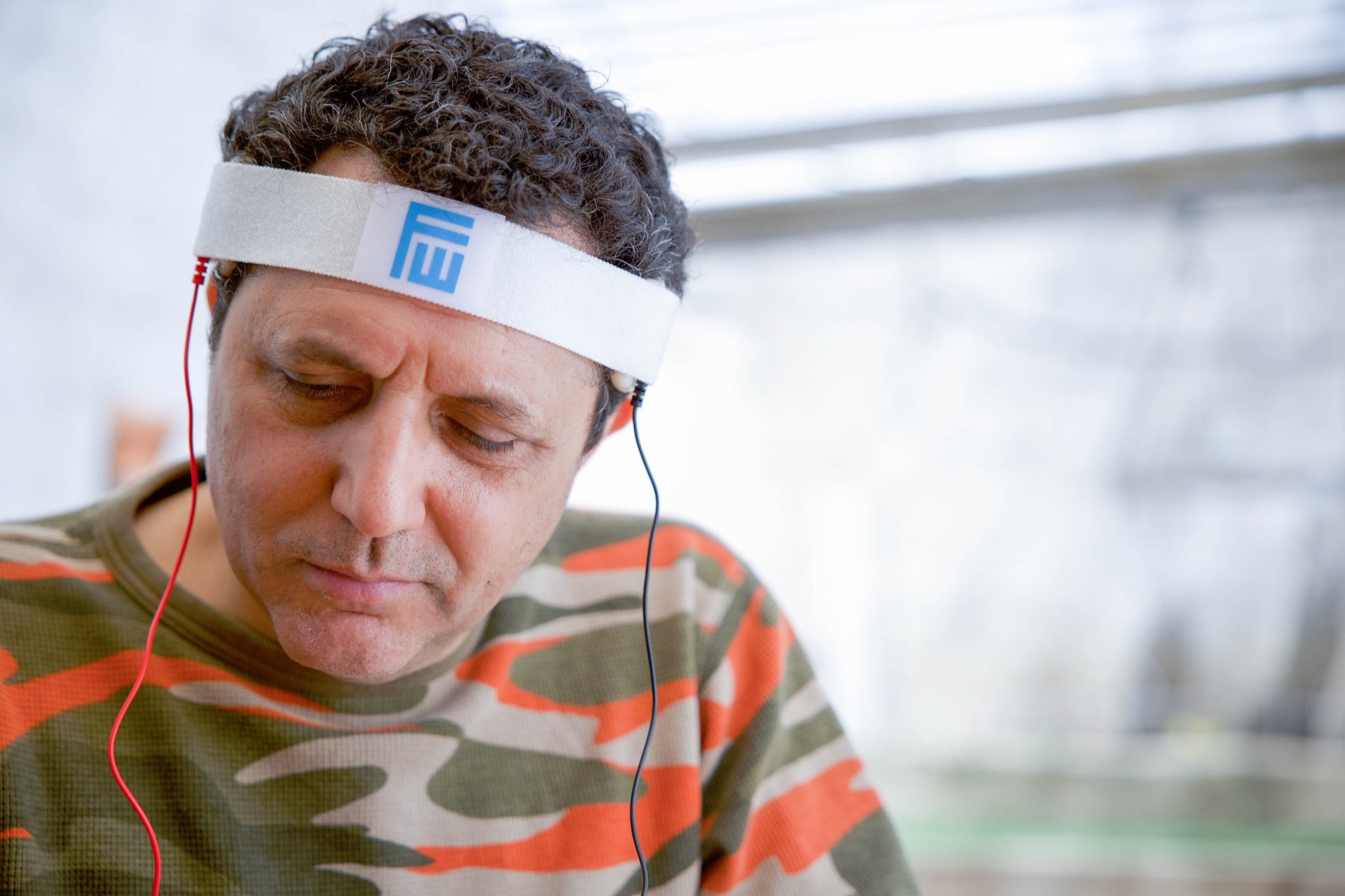
As the FDA undertook a multi-year process of determining how our category would be regulated, we were able to distribute our proof-of-concept technology to tens of thousands of patients, through thousands of prescribers. This enabled us to refine our technology and usage protocol with valuable real-world user feedback in a way that would be impossible to replicate today. The new FDA regulation elevates the credibility of the category by requiring clinical trial evidence to support each intended use. We are now awaiting FDA’s decision on our first application submitted under the new regulation.
Our amazing community of early adopters has demonstrated belief in the potential of our next-generation technology by collectively investing more than $11 million through our equity crowdfunding campaigns.
Leadership

Kelly Roman
Co-Founder, CEO, Director
The son of a US Army veteran, Kelly graduated from Harvard College and has helped pioneer the wearable brain stimulation category since 2009. He is founder-obsessed with clinical research, product development, regulatory affairs, manufacturing, patient advocacy, and visual storytelling.
On Substack: An Affordable Mass of Cognitive Density
Chip Fisher
Co-Founder, Chairman
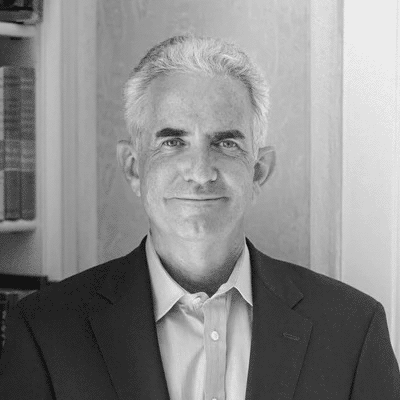
Chip originally co-founded Fisher Wallace Labs with the late Dr. Martin Wallace. After Dr. Wallace’s passing shortly following the company’s formation, Chip met co-founder Kelly Roman through Harvard’s alumni network, and together they proceeded to build the company. Chip was the company's sole angel investor and proceeded to develop its broad network of researchers, prescribers, and advisors. The son of radio pioneer Avery Fisher, Chip continues his father’s philanthropic tradition and serves on the Board of the Juilliard Artist Program.
Advisors

Maurizio Fava, MD
Advisor
Chair, Department of Psychiatry, Mass General BrighamPsychiatrist-in-Chief, Massachusetts General HospitalSlater Family Professor of Psychiatry, Harvard Medical School
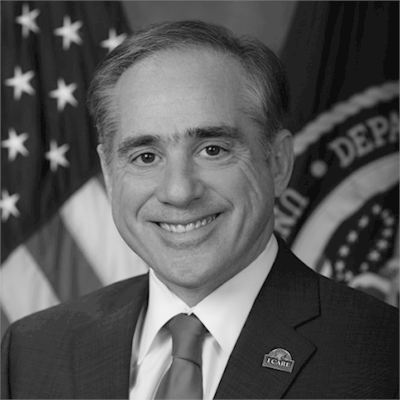
David Shulkin, MD
Advisor
Ninth Secretary, U.S. Department of Veterans AffairsFormer VA Under Secretary for HealthFormer Chief Executive, Beth Israel Medical Center and Morristown Medical Center

Joan Camprodon-Gimenez, MD, PhD, MPH
Advisor
Chief, Division of Neuropsychiatry and Neuromodulation, Massachusetts General HospitalDirector, MGH TMS Clinical ServiceAssociate Professor of Psychiatry and Neurology, Harvard Medical School